
Vertigo Treatment: How Physical Therapy Can Relieve Dizziness and Restore Balance
Vestibular Therapy
Vertigo Treatment: How Physical Therapy Can Relieve Dizziness and Restore Balance
If you feel like the room is spinning when you move your head, roll over in bed, or stand up, you may be experiencing vertigo. Vertigo is a common condition that affects balance and can make everyday activities difficult.
The good news is that physical therapy for vertigo can be very effective in reducing symptoms and restoring balance.
What Is Vertigo?
Vertigo is a specific type of dizziness that causes the sensation that you or your surroundings are spinning or moving, even when you are still. It is often related to problems in the vestibular system, located in the inner ear, which helps control balance and spatial awareness.
Common symptoms of vertigo include:
-
A spinning or whirling sensation
-
Dizziness when turning the head or changing positions
-
Difficulty maintaining balance
-
Nausea or motion sensitivity
-
Trouble focusing the eyes during movement
Common Causes of Vertigo
Several conditions can cause vertigo. The most common include:
Benign Paroxysmal Positional Vertigo (BPPV)
The most common cause of vertigo. It occurs when tiny calcium crystals in the inner ear become displaced.
Vestibular Neuritis
An inner ear condition often caused by a viral infection that affects balance.
Vestibular Hypofunction
Reduced function of the inner ear balance system, which can lead to chronic dizziness and instability.
How Physical Therapy Treats Vertigo
is one of the most effective treatments for vertigo and dizziness. A trained physical therapist can identify the cause of your symptoms and develop a treatment plan to restore balance and reduce dizziness.
Treatment may include:
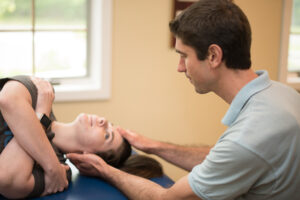
Canalith Repositioning Maneuvers
Techniques such as the Epley maneuver help move displaced crystals in the inner ear back into the correct position.
Balance Training
Exercises improve stability and reduce the risk of falls.
Gaze Stabilization Exercises
These exercises retrain the coordination between your eyes and inner ear.
Habituation Exercises
Gradual exposure to movements that trigger dizziness helps the brain adapt and reduce symptoms.
Can Physical Therapy Help Vertigo?
Yes. In many cases, vestibular physical therapy is one of the most effective treatments for vertigo. Research shows that targeted exercises and repositioning maneuvers can significantly reduce dizziness and improve balance.
Many patients with BPPV or vestibular dysfunction experience noticeable improvement within just a few therapy sessions. You can read more about Atlantic Physical Therapy Center’s Vertigo and Vestibular services here.
Frequently Asked Questions About Vertigo
Can vertigo go away on its own?
Some cases may resolve on their own, but many people continue to experience symptoms without treatment. Vestibular physical therapy can speed recovery and reduce recurring episodes.
How long does vertigo last?
Vertigo episodes can last from a few seconds to several minutes depending on the cause. Conditions like BPPV often improve quickly with the right treatment.
Is vertigo dangerous?
Vertigo itself is not usually dangerous, but it can increase the risk of falls or injuries due to balance problems.
What is the fastest way to treat vertigo?
For many people with BPPV, a canalith repositioning maneuver performed by a physical therapist can provide rapid relief.
How Atlantic Physical Therapy Can Help:
Vertigo Treatment Near You
If you are struggling with dizziness or vertigo, treatment may be closer than you think. Physical therapists trained in vestibular therapy can help identify the cause of your symptoms and create a personalized treatment plan.
The team at Atlantic Physical Therapy Center provides evaluation and treatment for vertigo, dizziness, and balance disorders to help patients safely return to their daily activities.
Recent Comments